A Tale of Two Form Factors: Samsung’s Latest Tablet and Foldable Dilemmas
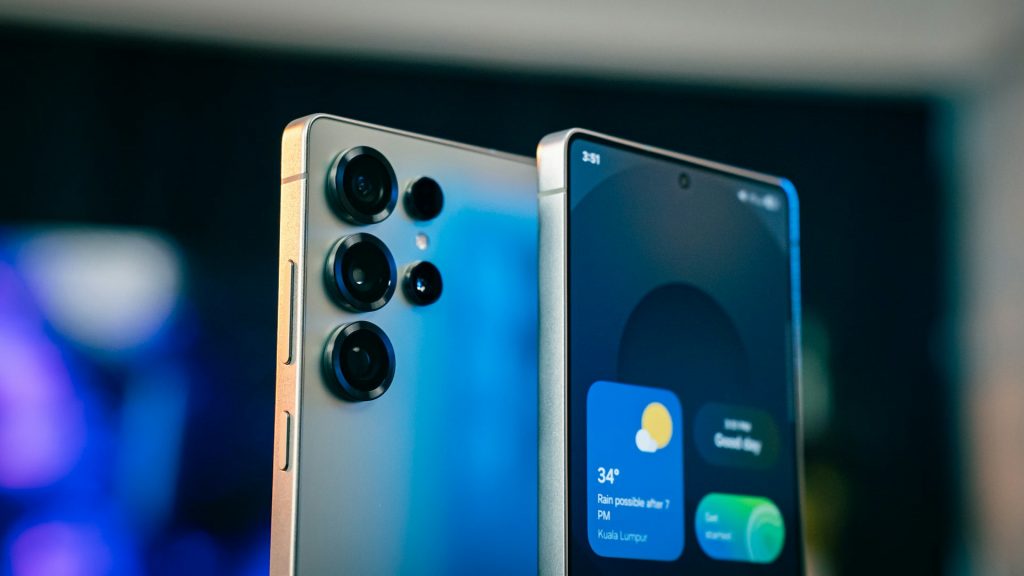
Samsung’s latest hardware expansion has landed, bringing with it a familiar paradox for consumers: the newest, flashiest flagship isn’t always the smartest buy. While the company’s marketing machine is heavily backing the massive Galaxy Tab S9 Ultra and the ultra-slim Galaxy Z Fold 7, the real value—and the tougher decisions—lies elsewhere in the lineup. For most users, the sweet spot has shifted to the more sensible Galaxy Tab S9 siblings and the evolving, yet increasingly expensive, Galaxy Z Flip series.
Finding the Sweet Spot in the Tablet Lineup
The Galaxy Tab S9 Ultra is undeniably spectacular, but its notch-clad display and gargantuan footprint make it unwieldy for casual use. The practical debate actually rests between the standard Galaxy Tab S9 and the Galaxy Tab S9 Plus. Having spent time with both, it is clear that these two slates are far more approachable daily drivers than their “Ultra” counterpart.
The decision largely comes down to how much screen real estate and power you actually need. The Tab S9 Plus offers a spacious 12.4-inch canvas compared to the 11-inch display on the standard model. Under the hood, the Plus model pulls ahead with 12GB of RAM and a starting storage capacity of 256GB, whereas the standard S9 is limited to 8GB of RAM and 128GB of storage.
Battery life is another major differentiator. The Plus houses a robust 10,090mAh cell, significantly larger than the 8,400mAh unit found in the smaller sibling. Furthermore, shutterbugs or document scanners might miss the 8MP ultra-wide camera, which is exclusive to the Plus model. However, these upgrades come at a premium. With the Tab S9 starting at $799 and the Plus at $999, you are effectively paying a $200 surcharge for the larger screen, the extra RAM, and the availability of a cellular version, which the base model lacks in this specific comparison.
The Clamshell Conundrum: Galaxy Z Flip 7 vs. Flip 6
While the tablets fight over size, Samsung’s foldable division is battling over refinement and price. This year, much of the engineering focus went into the record-breaking thinness of the Galaxy Z Fold 7, but the clamshell Galaxy Z Flip 7 received significant, albeit iterative, updates. The question for buyers is whether those updates justify a price tag starting at 1,199 euros, especially when the highly capable Galaxy Z Flip 6 can now be found for under 600 euros.
Visually, the Z Flip 7 makes an immediate impression. Samsung has reworked the cover screen to occupy the entire front surface, creating an illusion where the cameras melt naturally into the display. This new 4.1-inch AMOLED panel isn’t just bigger than the Flip 6’s 3.4-inch screen; it now boasts a 120Hz refresh rate, doubling the fluidity of its predecessor.
Design Shifts and Display Gains
The physical footprint has changed as well. The Flip 7 is noticeably wider at 75.2 mm compared to the 71.9 mm of the Flip 6. This extra width accommodates a larger 6.9-inch internal display, edging out the 6.7-inch screen of the older model. Despite the size increase, the weight remains nearly identical at roughly 188 grams. Both devices carry IP48 certification and Gorilla Glass Victus 2 protection, ensuring durability remains a priority across generations.
In terms of viewing experience, the Flip 7 offers a modest brightness bump, hitting 2,261 nits in testing compared to the Flip 6’s ceiling of 2,000 nits. While not a revolutionary leap, it does improve outdoor legibility. Color calibration remains classic Samsung: vibrant and generous, though perhaps not the most color-accurate profile on the market.
Performance and Long-Term Support
One of the most distinct changes lies in the silicon. The Galaxy Z Flip 6 runs on the Qualcomm Snapdragon 8 Gen 3, a chip renowned for its efficiency. The new Flip 7, however, switches to the Samsung Exynos 2500 paired with an Xclipse 950 GPU. It also brings Wi-Fi 7 compatibility and a slightly larger 4,300mAh battery, a welcome upgrade over the previous 4,000mAh capacity.
On the software front, the experience is largely unified. Both phones run Samsung’s One UI and feature extensive Galaxy AI integration, particularly useful for photo editing. Samsung promises seven years of updates for its premium devices, which is a strong selling point. However, prospective buyers should note that the Z Flip 6 has essentially “burned” one year of its lifecycle by moving from Android 15 to 16, meaning its support window will close a year earlier than the new model. Ultimately, the choice depends on whether a larger, faster cover screen and a few extra years of software support are worth double the price of the still-capable Flip 6.